November 03, 2025 • 5 min read

November 03, 2025 • 5 min read
If you are looking for a Pomelli alternative, start with the job you still need to get done. Do you need more control over the design, more product images, or someone to decide what your next campaign should say?
Those are different buying decisions. A D2C founder can spend a week comparing software and still end up with the same problem: a folder of usable images and no clear reason to put budget behind any of them.
Our recommendation is to test the workflow with one real product before committing. Include the research, the brief, the revisions and the campaign review. That will tell you more than a list of generation features.
Pomelli is Google's AI marketing tool. Google's launch description explains how it reads a website to build a brand profile, suggests campaign ideas and creates editable marketing assets. Those assets can be used for social posts, a website or ads.
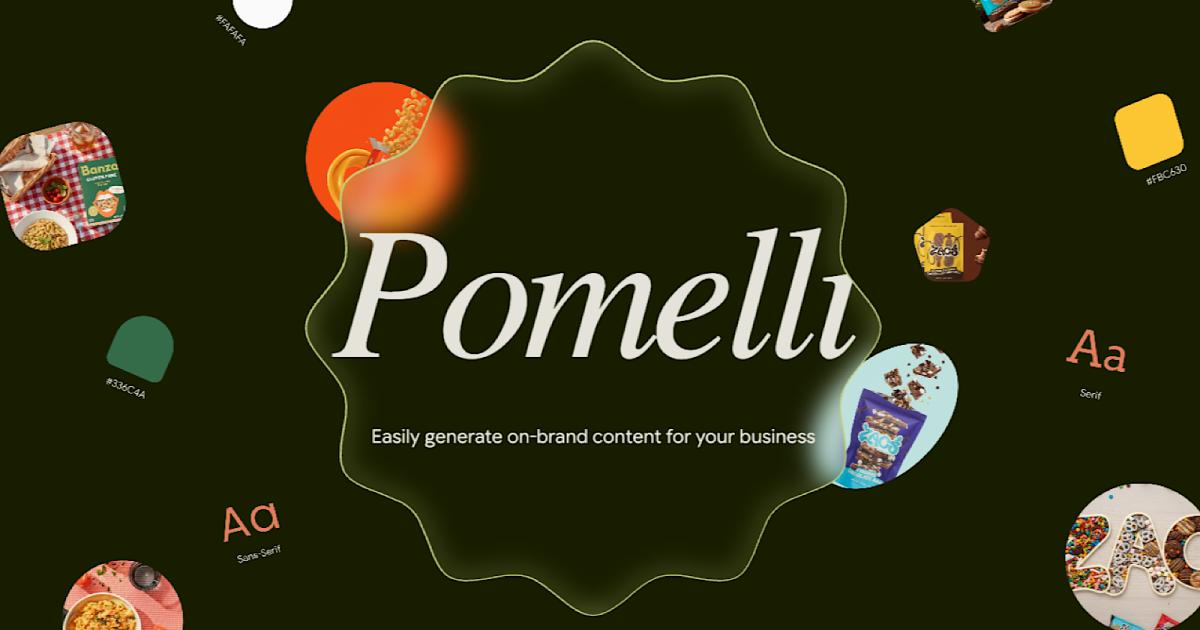
Pomelli by Google Labs
The product has also changed since launch. Google introduced Photoshoot for product imagery in February 2026. In May, it announced agent capabilities, brand books and website creation. A comparison that describes Pomelli as only a basic social-post generator misses those additions.
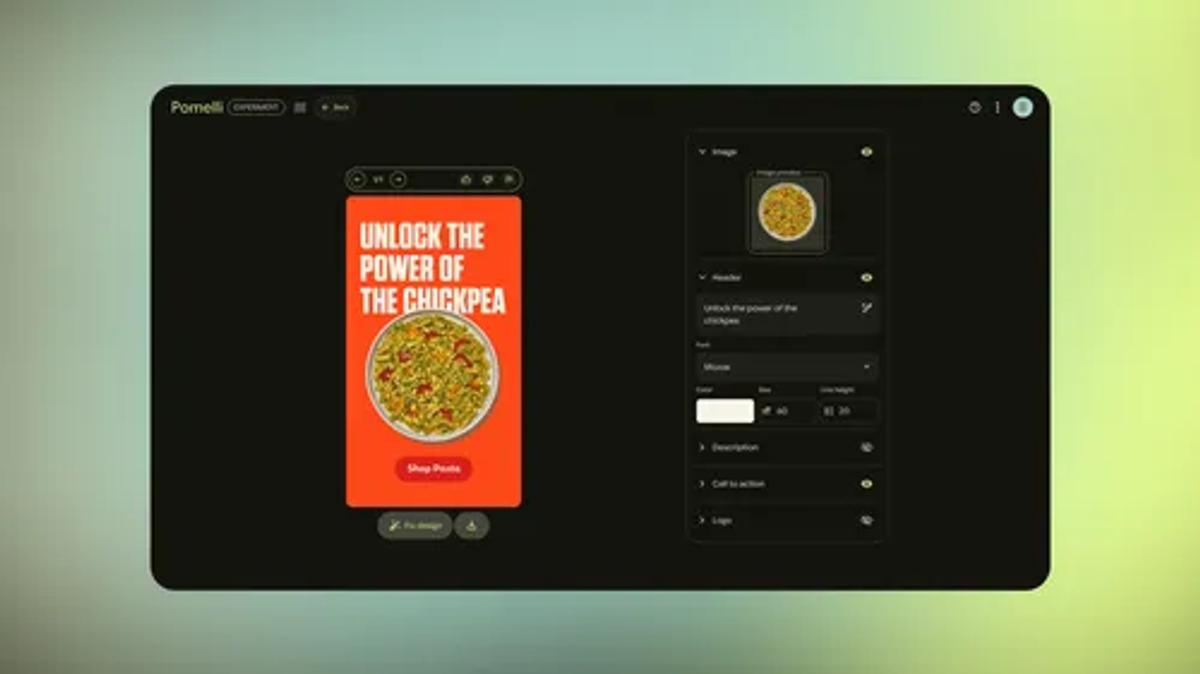
Pomelli | Create graphics
Check the current product for availability and plan terms. A beta-era price or feature list is a poor basis for choosing your next production workflow.
Consider a design editor when your team already knows the message and needs to adjust typography, image placement or a collection of formats. Canva is one option to evaluate. Give it the same product image, offer and brand assets you used in Pomelli, then compare the finished exports.
Check the small details. Can a designer correct the product label? Can someone else edit the file next week? Does the portrait version need a separate composition? A beautiful first result is less useful if routine revisions become a struggle.
If you mainly need creative generation, compare tools using your own brief. Our Predis.ai alternatives guide explains how to assess software separately from an agency engagement.
Ask each tool to make the same small set: a product demonstration, a customer objection and a review-led ad. Keep the product and offer constant. Count the assets your team would approve, then include the time spent fixing the others.
An agency becomes relevant when nobody has enough time or experience to own the campaign. That work includes choosing the customer problem, writing the brief, producing the assets and deciding what the results mean.
Vibemyad Marketing Agency provides ad research, creative strategy, AI creative production and performance marketing. We use AI in that work, but the service you are evaluating is a team taking responsibility for agreed deliverables. Compare the scope, ownership and reporting with other agencies rather than comparing our work with a software credit package.
Keep the scope specific. A creative-production engagement and a managed paid-media engagement involve different responsibilities. Establish who will launch the campaign and review results before work starts.
Suppose you sell a skincare cleanser. "Make this look premium" leaves most of the advertising decision unresolved. A more useful brief names the buyer's concern, the product fact that addresses it and the evidence you can show.
For example, a brief could focus on the effort involved in an evening routine. The creative might show the product in use, with copy about a verified product benefit. Your team still needs to check the claim, the demonstration and the landing page before the ad runs. This is an illustrative brief, not a claim about a particular brand's results.
The skincare ad examples show different ways brands communicate a product benefit. Use them to understand the choice each ad makes, then write a brief around your own product.
We would include five things in that brief: the customer concern, the exact offer, approved product facts, the required formats and the action you want the viewer to take. Add a reference only when you can explain what it contributes.
A software subscription covers access to software. Someone on your team still supplies the brief, selects outputs, checks the copy and manages revisions. An agency quote should explain which of those jobs the team will handle.
For a fair comparison, price the same assignment. Specify the number of original concepts, the formats, the revision rounds, the deadline and whether media buying is included. Ask how source files and usage rights will be handed over.
Our ad creative agency guide covers the work to include in a production scope. Keep ad spend separate from the fee so you can see what you are paying for.
Start with the work itself. Is the product accurate? Is the offer readable on a phone? Does each concept give the buyer a different reason to care? Ten colour changes should not be presented as ten new ideas.
After launch, judge results using your own campaign and store data. An ad appearing in a competitor's library, even for several weeks, does not reveal its purchases, acquisition cost or profit. References can suggest a test; your results decide whether to continue it.
For ways to make the difference visible, see our comparison ad examples and problem-solution examples.
Keep Pomelli if it produces the work you need and your team can manage the rest. Try another tool if a specific editing or production limitation is slowing you down. Speak to an agency when you want help choosing, producing and managing the campaign itself.
Get notified when new insights, case studies, and trends go live — no clutter, just creativity.
Table of Contents


Rahul Mondal
Product, Design and Co-founder, Vibemyad


Ananya Namdev
Content Writer, Vibemyad


Rahul Jain